Both countries share the Himalaya and centuries of Buddhist heritage, yet travelling through them feels completely different. One offers peaceful valleys, living traditions and a carefully protected culture. The other buzzes with colourful cities, famous trekking routes and some of the highest mountains on Earth. We plan trips to both, so here's an honest comparison to help you choose, and perhaps to tempt you into visiting both.
Bhutan vs Nepal at a glance
| Bhutan | Nepal | |
|---|---|---|
| Feel | Small, quiet and uncrowded | Bigger, busier and more varied |
| How you travel | With a licensed guide, all arranged | Independently or guided |
| Best for | Culture, festivals, gentle hikes, luxury lodges | Trekking, adventure, wildlife |
| Cost | Higher, but mostly all-inclusive | Lower, from backpacker to luxury |
| Visitors | Fewer, managed by a daily fee | Many more, especially on popular treks |
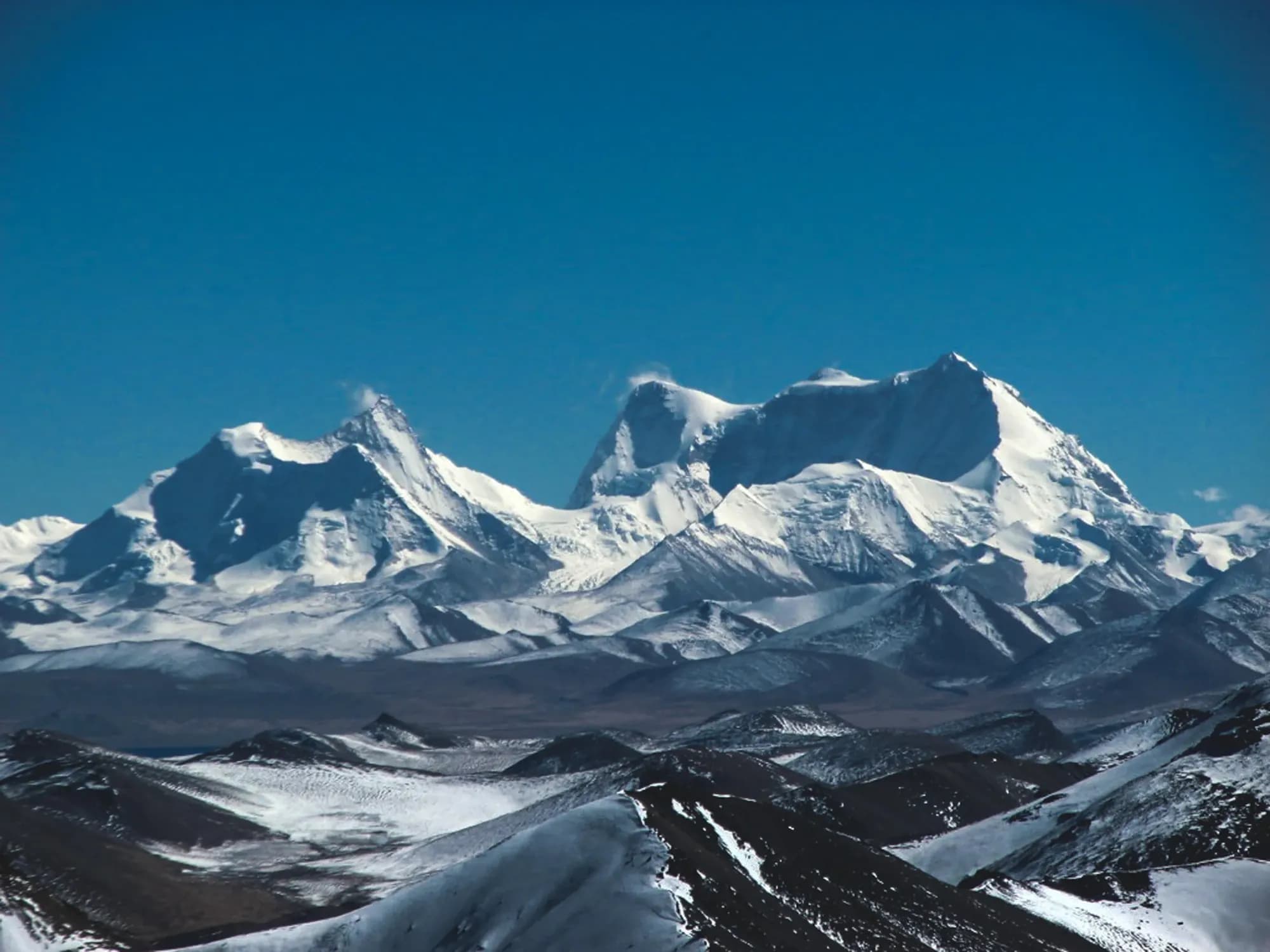
| Highest peak | Gangkar Puensum, 7,570 m (never climbed) | Everest, 8,849 m, and seven more 8,000 m peaks |
Choose Bhutan for culture over crowds
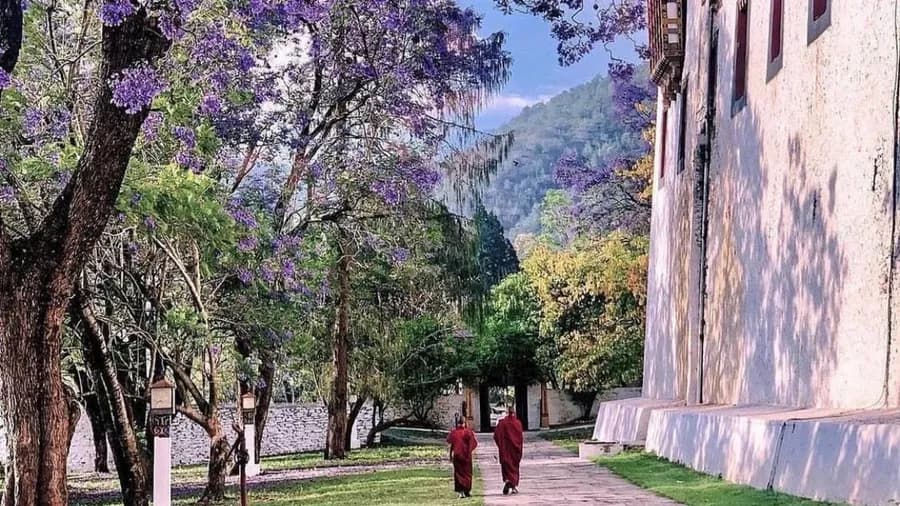
If cultural immersion is what you're after, Bhutan may be the better fit. The country has worked hard to keep its traditions, and it has one of the most intact living Buddhist cultures in the world. Ancient monasteries and dzongs, and the festivals held in their courtyards, are as meaningful to locals as they are to visitors.
To protect its landscapes and culture, Bhutan limits tourism with a daily Sustainable Development Fee, which keeps visitor numbers low and makes the experience feel personal. And the traditions aren't confined to museums: you see them in the language, the food, the festivals, the national dress people wear every day, and even the way the country protects its forests.
Choose Nepal if adventure comes first
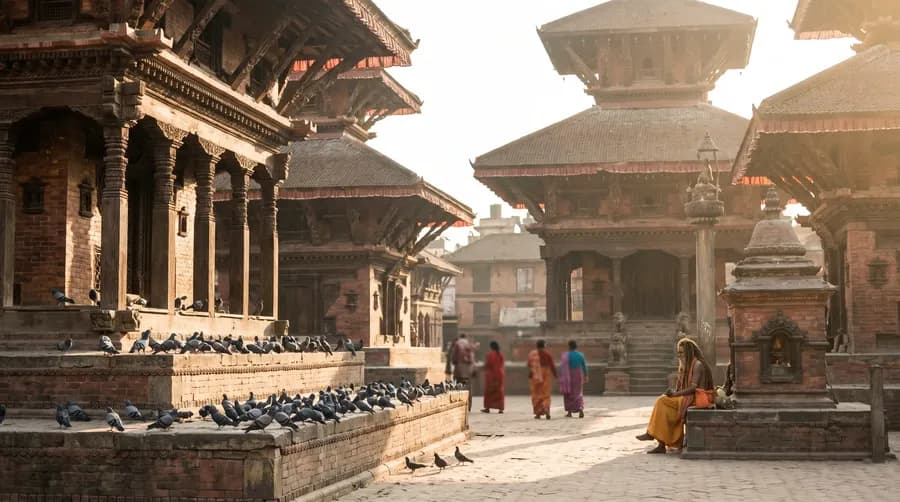
Nepal offers a huge range of adventures and the freedom to shape a trip around them. One day you're exploring old temples and busy streets in Kathmandu; the next you're looking for rhinos on a jungle safari in Chitwan, or watching sunrise over the Annapurnas from Sarangkot. Trekking is what Nepal is famous for, but you can also paddle a canoe in Chitwan, paraglide or take a balloon flight over Pokhara and Phewa Lake, or simply enjoy the mix of culture and nature.
Nepal now requires a licensed guide on most treks in its national parks and conservation areas, but the cities and much of the country can still be travelled independently.
Scenery: quiet valleys or giant peaks?
Bhutan is about harmony more than extremes. Forested mountains rise above green rice terraces, clear rivers wind through quiet valleys, and monasteries cling to cliffs above untouched forest. Even on drives between towns, prayer flags on the passes invite you to stop and look.
Nepal is about scale. It has eight of the world's fourteen highest mountains, and its glaciers, turquoise lakes, deep gorges and snow peaks look almost unreal, especially on the famous trekking routes.
Which is easier to travel?
Bhutan is the easier trip to plan, because almost everything is planned for you. You choose a tour or a tailor-made route with a licensed operator, and permits, transport, hotels, guiding and even the etiquette are taken care of, so you can simply enjoy the journey. See our Bhutan visa guide.
Nepal rewards travellers who like to go at their own pace. Hotels, transport and activities can be booked as you go, it has many more international flights, and the tourism industry is large and well established. That makes it the simpler choice for spontaneous or budget travel. See our Nepal visa guide.
Is Bhutan or Nepal more expensive?
Nepal is cheaper; Bhutan is more all-inclusive. In Bhutan, the daily fee, hotels, meals, guide, vehicle and permits are bundled into one price, so while the upfront cost is higher, there are few surprises. See what a Bhutan trip costs. Nepal suits every budget, from backpacker guesthouses to luxury lodges, and you pay as you go.
Food and local experiences
Bhutanese food is simple, hearty and built on local ingredients: fiery ema datshi, nutty red rice, butter tea and farmhouse meals that taste of mountain life. Time your visit with a festival or stay in a farmhouse, and food becomes part of the culture. See our guide to Bhutanese food.
Nepali food is one of the most varied in the Himalaya, mixing Tibetan, Indian and Newari influences. Dal bhat, rich Newari dishes and steaming momos change from region to region, and street food, family eateries and trekking teahouses are all part of the experience.
Is Bhutan safer than Nepal?
Both are generally safe for travellers. Bhutan has very low crime and a tightly run tourism system, with a licensed guide by your side. Nepal is welcoming too, but independent travel is more common, and in busy cities and on popular trails it pays to watch for petty theft and scams. If a highly organised, low-stress trip matters most, many travellers find Bhutan more reassuring. More in our guide: is Bhutan safe?
So, Bhutan or Nepal?
Choose Bhutan if you:
- Prefer quiet places with few other tourists
- Love culture, history and festivals
- Want comfortable or luxury hotels and everything arranged
- Enjoy photography and gentle hikes
Choose Nepal if you:
- Love trekking, including the high classics like Everest Base Camp
- Want adventure and wildlife
- Like to travel independently
- Have a tighter budget
Can you visit Bhutan and Nepal on the same trip?
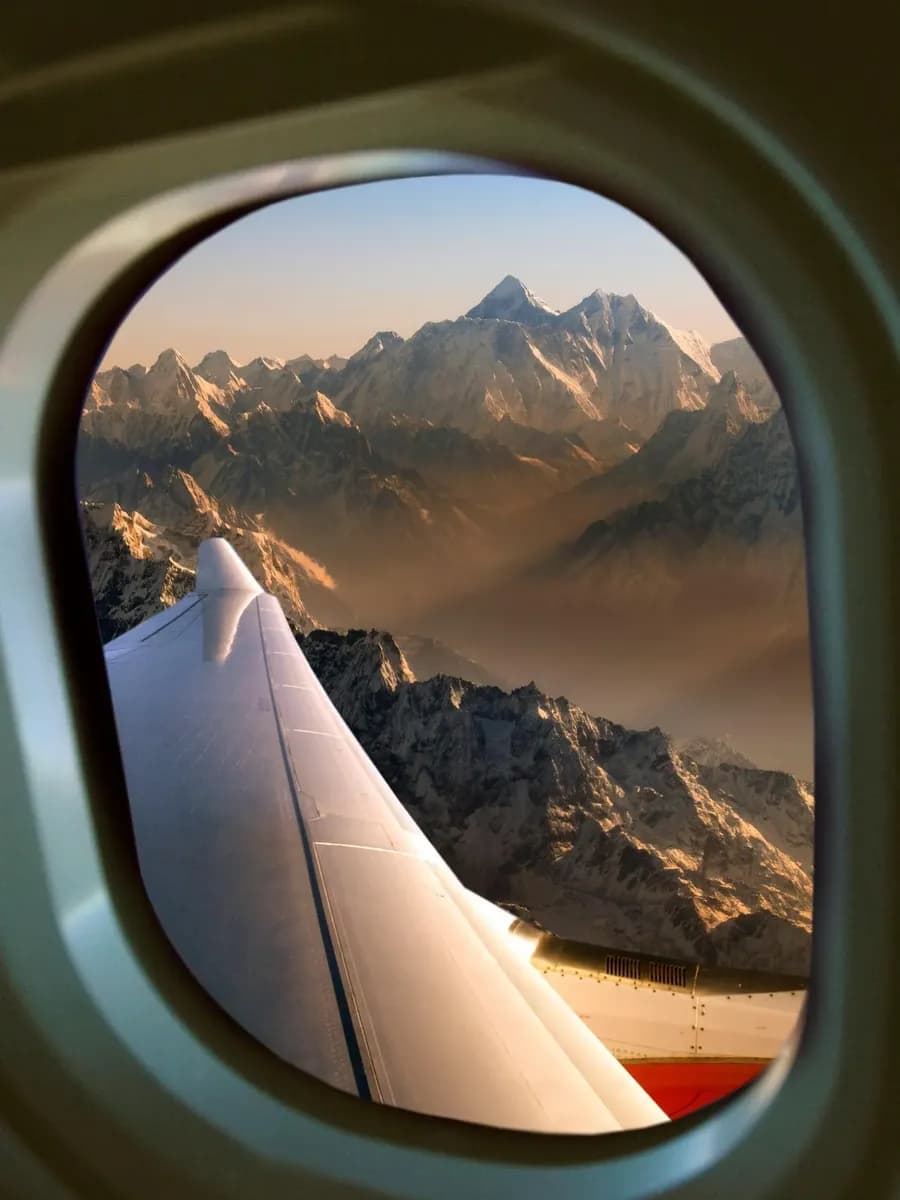
Yes, and it's one of our favourite combinations. Druk Air and Bhutan Airlines fly between Kathmandu and Paro, an hour over the Himalaya with Everest out of the left-hand window on a clear day. Many travellers start with Nepal's energy and finish slowly in Bhutan's valleys. See our Nepal and Bhutan tour, explore our Nepal trips, or tell us what you'd love to do and we'll plan the route.
Read next
About the author
Pema · Itinerary designer & travel writer. Pema designs our itineraries and writes our travel guides. She plans each route so the drives, hikes, festival dates and quiet days fit together, and writes about Bhutan the way she'd explain it to a friend visiting for the first time.
Published