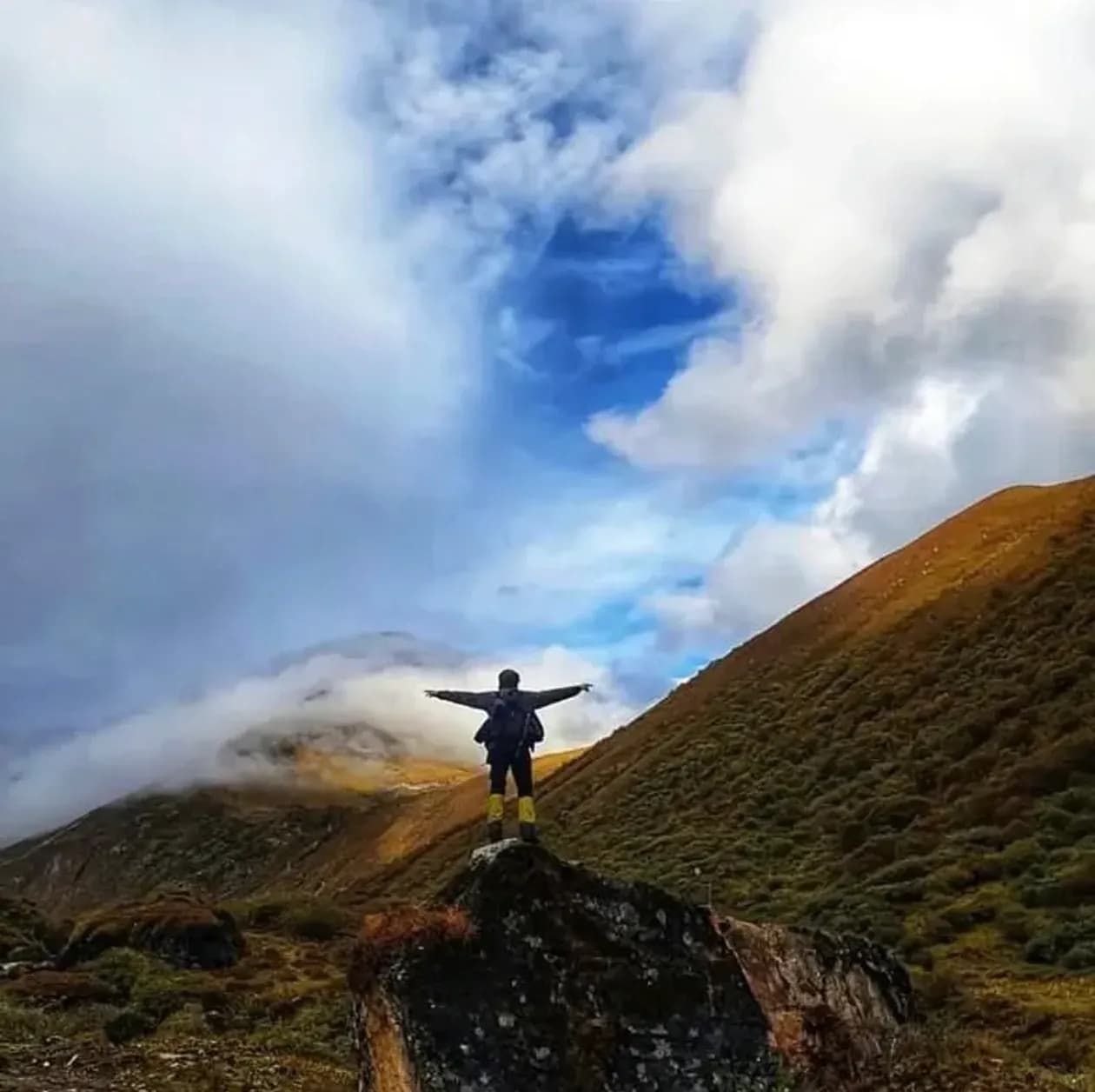
Haa Valley, the quiet west
Haa is a quiet valley in western Bhutan near the Tibetan border, about 67 km and two hours' drive from Paro over the Chele La pass (3,988 m). Closed to visitors until 2002, it still sees few of them. Come for the White and Black Temples, village homestays and buckwheat hoentay, forest and ridge walks, and the Haa Spring Festival and autumn Tshechu.
- Altitude
- About 2,700 m
- From Paro
- About 2 hours · 67 km
- Highest point
- Chele La, 3,988 m
- Time needed
- 1–2 nights, or a day trip
About Haa Valley
Cross Chele La from Paro and the crowds disappear almost at once. Prayer flags give way to quiet villages, rolling pasture and forest stretching across the mountains. This is Haa, one of the most peaceful valleys in western Bhutan, and one most visitors miss.
Haa lies close to the Tibetan border, and because of its strategic position it stayed closed to tourists until 2002. Even now, although it's only about two hours from Paro, far fewer people make the trip than go to Punakha or Bumthang.
Walk through the villages and you'll hear little but birdsong and cattle bells. Older people wave from their fields, children walk home from school in their gho and kira, and prayer flags fly above farmhouses that have stood for generations. Haa is about slowing down and seeing everyday Bhutanese life as it really is.
Things to do in Haa
- 1
Chele La
At 3,988 m (13,083 ft), Chele La is one of the highest roads in Bhutan and the gateway to Haa. On a clear day the view runs across the Himalaya to Jomolhari, and in spring the slopes are bright with rhododendrons. It's cold at the top even in summer. If you're lucky, a small van will be selling hot soup and tea, and warming your hands round a cup at one of Bhutan's best viewpoints is something people remember.
- 2
Lhakhang Karpo, the White Temple
The largest temple in Haa, home of the district's monks and seat of Ap Chundu, the valley's guardian deity. Legend says the 7th-century Tibetan king Songtsen Gampo, building 108 temples to pin down a demoness lying across the Himalaya, released a white and a black pigeon to choose the sites. The White Temple stands where the white bird landed. Step inside and you may hear the monks at their prayers.
- 3
Lhakhang Nagpo, the Black Temple
A few minutes' drive away, with darker grey-black walls, stands the temple built where the black pigeon landed. It was built over a lake, and a small opening in the floor lets you look down at the water.
- 4
Homestays and Haa cooking
A night with a family is the best way into village life. Meals are made with vegetables from the garden and recipes passed down for generations, and Haa has its own specialities, above all hoentay, buckwheat dumplings that even Bhutanese people travel for. Evenings are spent round the bukhari stove with butter tea while dinner cooks. See our guide to Bhutanese food.
- 5
Walks and treks
Short trails wind through forest and villages, and longer routes climb into alpine country few visitors see. In spring and summer the high slopes flower, including the rare white poppy. Birders look for high-altitude species such as the snowcock. The best-known trek, Nub Tshonapata, takes about five days through remote lakes and pasture.
- 6
Fly fishing
Haa's clear rivers hold trout, and an afternoon with a rod is as much about slowing down as catching anything. Fishing in Bhutan needs a permit, which we arrange for you.
Festivals in Haa
Time your visit well and you'll see a different side of Haa. Prayer flags line the village paths, music carries across the valley, and families gather in their best gho and kira for festivals that go back generations. Dates follow the lunar calendar, so check our festival calendar.
- Haa Spring Festival (April): a celebration of the valley's highland and herding culture, with folk dances, traditional sports, crafts and local food against a backdrop of snow peaks. Visitors are welcome to join in, from a folk dance to a ride on a yak or horse.
- Haa Tshechu (autumn): three days of sacred mask dances in the grounds of Lhakhang Karpo, with horns, drums and cymbals, and older villagers turning prayer wheels between the dances.
- Ap Chundu's Lhapsoel (late autumn): an offering to the valley's guardian deity that begins before dawn at Lhakhang Karpo and ends with a procession of nearly 10 km, one of the longest in Bhutan.
- Rongtse Tshechu: mask dances held in a forest clearing in western Haa rather than a temple courtyard, among tall pines.
Photographing Haa
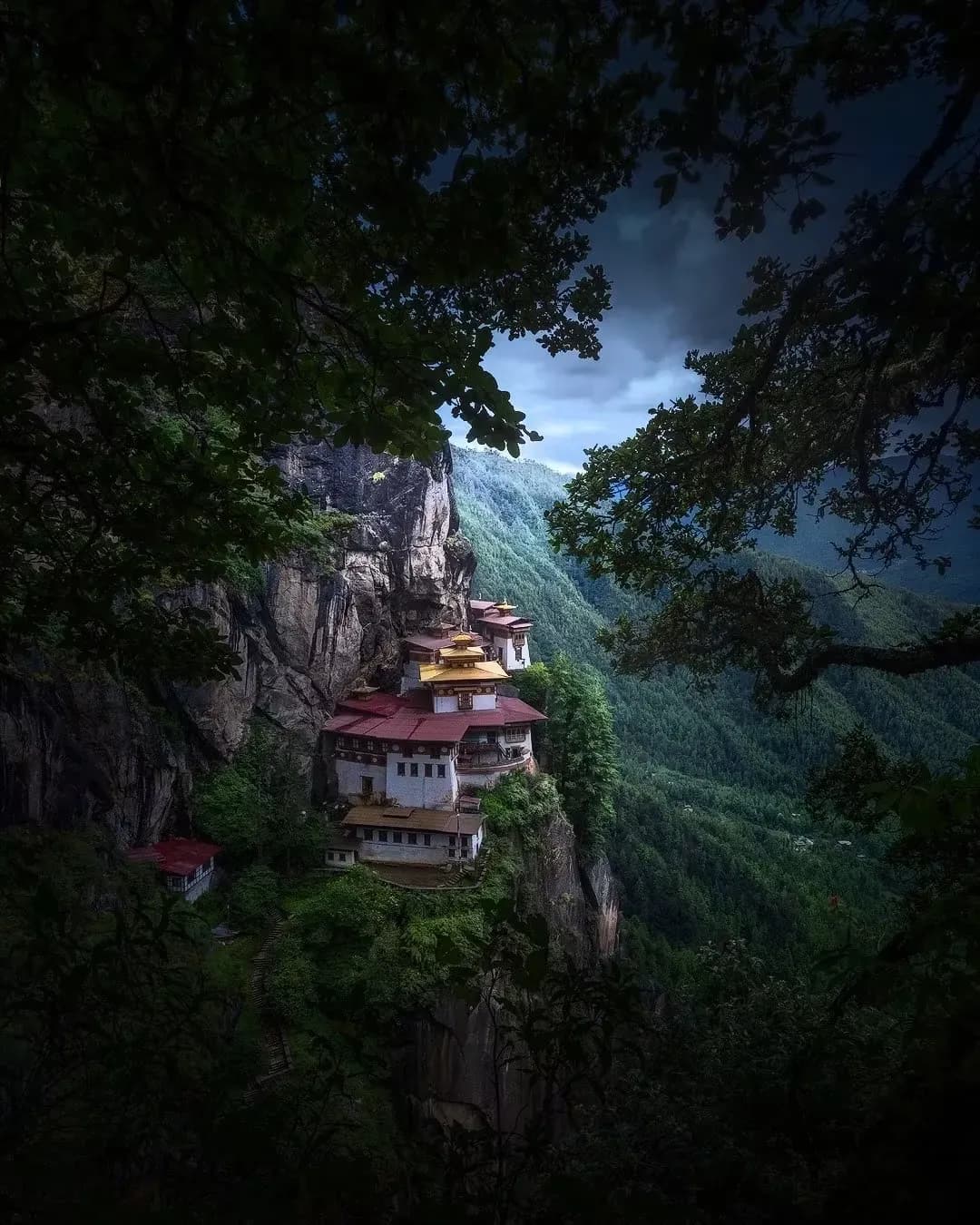
Haa is one of the most rewarding valleys in Bhutan for photographs. Farmhouses against the mountains, prayer flags strung along the ridges and quiet village lanes give you something to shoot all day. Early mornings often bring soft light and mist lying in the valley, and after dark Chele La, high and far from town lights, is a good place for the stars.
Some of the best pictures aren't at the viewpoints, though: a farmer in a buckwheat field, prayer flags snapping in the wind, a family welcoming you into their home. Always ask before photographing people.
Best time to visit Haa
Spring (March to May) is lovely for walkers: rhododendrons and the white poppy bloom on the slopes, Chele La is often clear, and the Haa Spring Festival is in April. Summer is green and fresh, the best season for birds and fishing, though monsoon rain is frequent.
Autumn brings clear mountain views and the Haa Tshechu and Ap Chundu's Lhapsoel. Winter is cold, clear and very quiet: snow can close Chele La for a day or two, and Lomba, the Haa new year, is celebrated in winter with hoentay made round the stove.
Month by month across the country: the best time to visit Bhutan.
Getting to Haa
Haa is about 67 km from Paro, around two hours over Chele La. It can be a day trip, but a night or two gives you time to walk and stay in a homestay. You can also drive in from Thimphu by the lower road through Chhuzom, which we use if snow closes the pass.
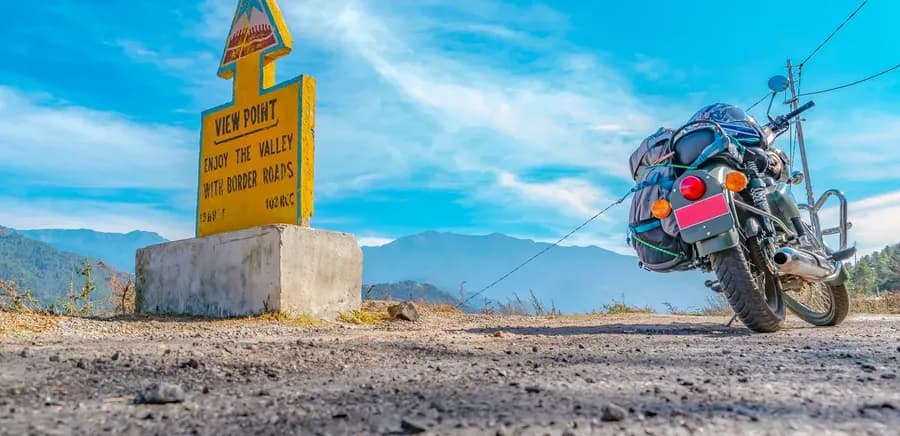
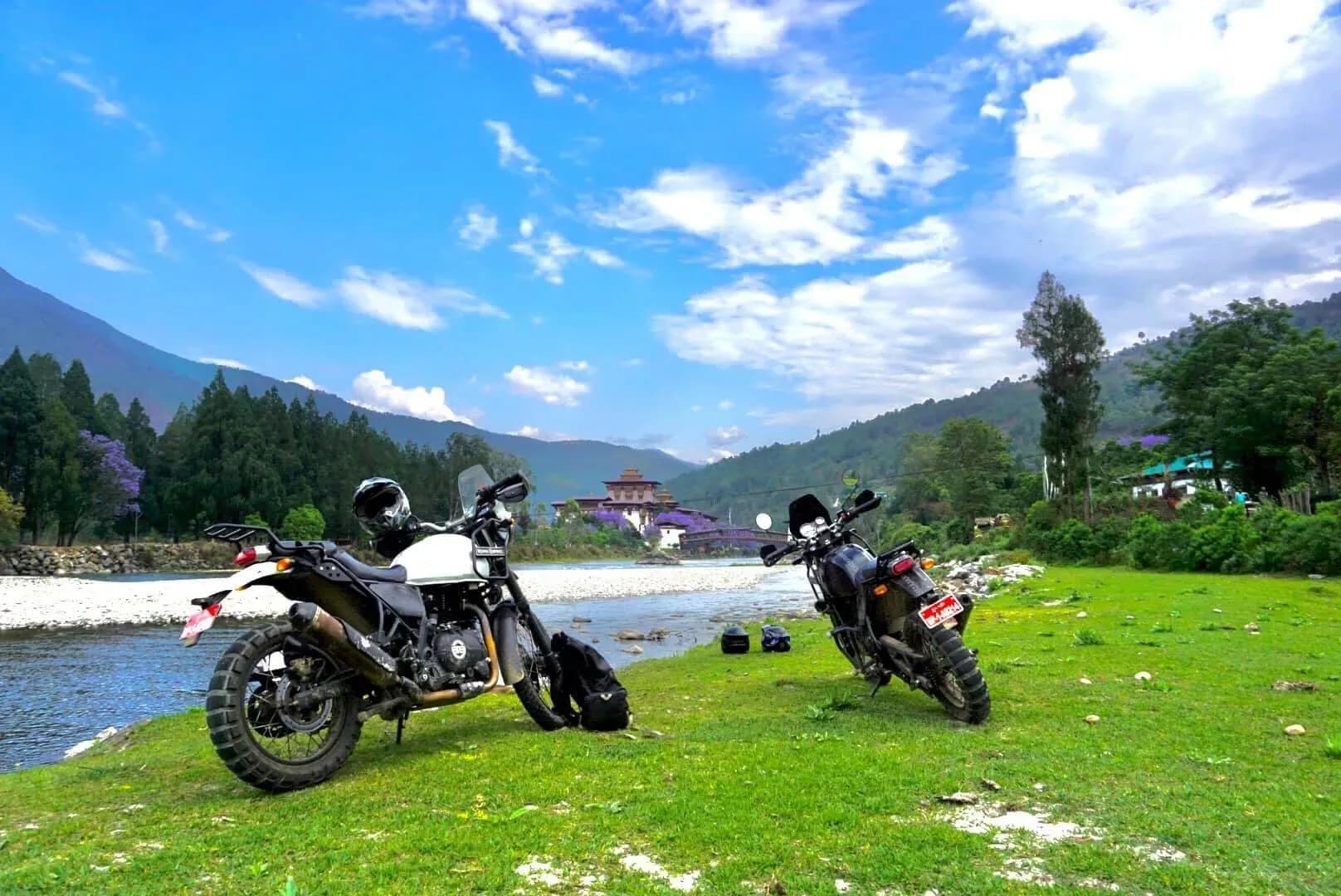
Our Bhutan Hiking Odyssey walks from Haa back to Paro on the Trans Bhutan Trail, and the Bhutan Motorcycle Tour rides over Chele La on its second day.
Haa on the map
Haa FAQs
Your questions, answered
Still wondering about something? Ask our Thimphu team directly. We're happy to help.
Ask us on WhatsAppYes, if you'd like to see a quieter Bhutan. Haa has few visitors, beautiful villages, two of the country's most important temples, good walking and a drive over Chele La, one of the highest roads in Bhutan. It's only two hours from Paro.
Cross Chele La for the mountain views, visit Lhakhang Karpo and Lhakhang Nagpo (the White and Black Temples), stay with a family and try hoentay, walk forest and village trails, fish for trout, or come for the Haa Spring Festival or the Haa Tshechu.
About 67 km, roughly two hours by road over the Chele La pass at 3,988 m. You can visit on a day trip, but one or two nights lets you walk and stay in a homestay.
In April, celebrating the valley's highland and herding culture with dances, sports, crafts and food. Exact dates change each year; see our festival calendar.
Yes. Haa is beyond Paro and Thimphu, so it needs a route permit and a licensed guide, as everywhere outside those two districts. We arrange both as part of your trip.
Begin your journey
Let's design your Bhutan
Tell us a little about the trip you're dreaming of. A real travel specialist in Thimphu (not a call centre) will reply within a day with ideas and an honest, all-inclusive price.
Send an enquiry
No obligation. It's just the start of a conversation.