Punakha, and its great dzong
Punakha is a warm, low valley about three hours east of Thimphu, best known for Punakha Dzong, the 'Palace of Great Happiness', built in 1637 where the Pho Chhu and Mo Chhu rivers meet. Bhutan's capital until 1955, it is where the kings are crowned; one to two days covers the dzong, Chimi Lhakhang and a valley walk.
- Altitude
- About 1,250 m
- From Thimphu
- About 3 hours, via Dochula
- Best time
- Feb–May · Oct–Nov
- Time needed
- 1–2 days
About Punakha
At about 1,250 m, Punakha is far lower and warmer than Paro or Thimphu. Rice grows here twice a year, and oranges and bananas ripen in the villages. It was Bhutan's capital for three centuries, and it is still the winter home of the Je Khenpo, the country's chief abbot, and the central monk body.
The dzong was founded by Zhabdrung Ngawang Namgyal, who unified Bhutan in the 17th century, and his embalmed body is still kept inside. The first king was crowned here in 1907, and the present king married here in 2011.
Things to do in Punakha
- 1
Punakha Dzong
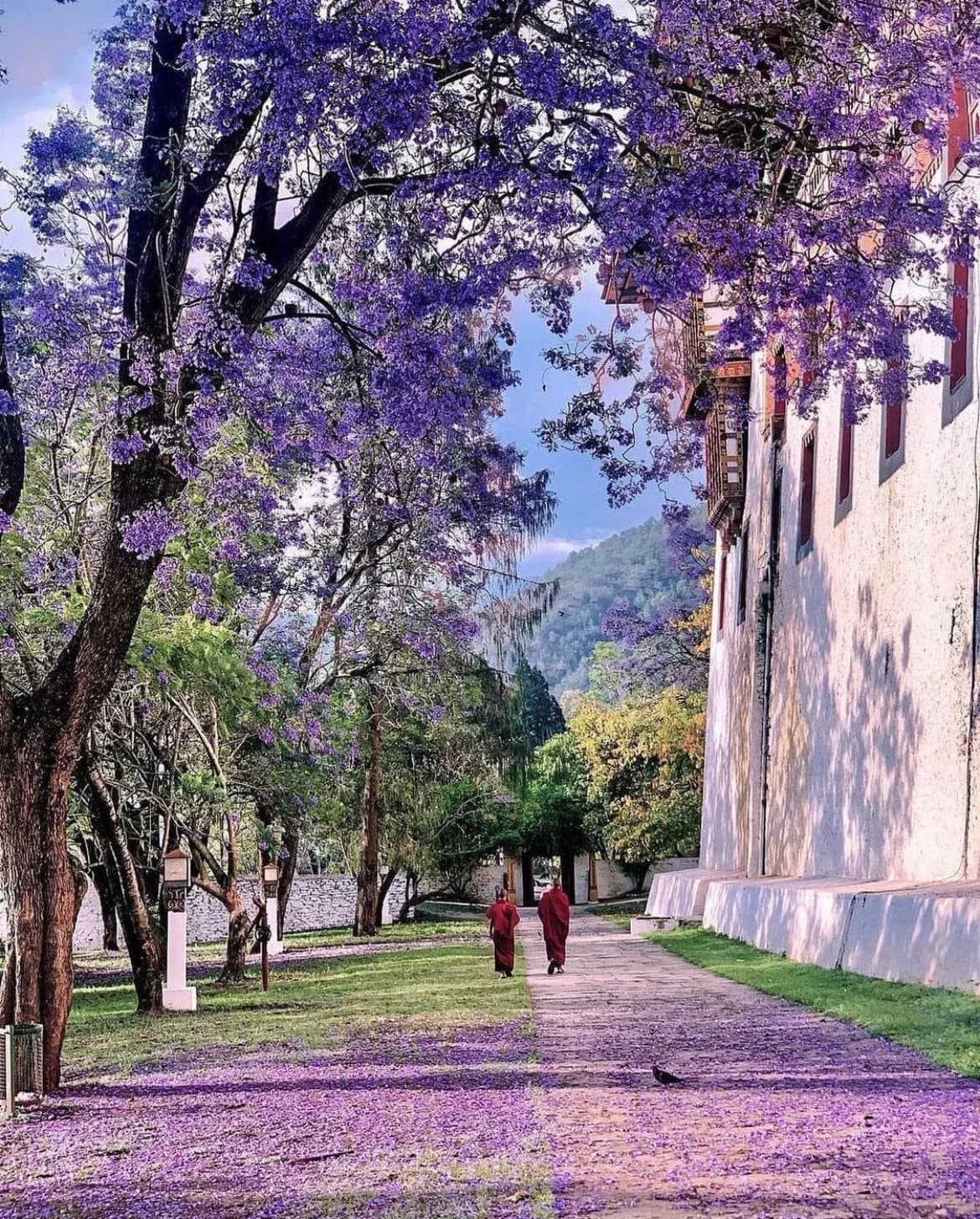
Pungthang Dewachen Phodrang, the 'Palace of Great Happiness', is the second-oldest and second-largest dzong in Bhutan and, for many, the most beautiful, especially in spring, when the jacarandas flower beside its walls.
- 2
Chimi Lhakhang
A short walk through rice fields leads to the temple of the Divine Madman, Drukpa Kunley, a 15th-century saint famous for his outrageous humour. Couples come here to pray for children.
- 3
The suspension bridge
One of the longest suspension bridges in Bhutan, strung with prayer flags across the Pho Chhu. Cross it for the walk into the villages on the far bank.
- 4
Khamsum Yulley Namgyal Chorten
A temple-chorten on a ridge above the valley, reached by a pleasant hike through fields and pine, with a lovely view up the river.
- 5
Rafting on the Mo Chhu or Pho Chhu
Gentle, scenic rafting floats past the dzong. It's an easy half-day for families, arranged with a local outfitter.
Punakha Dzong up close
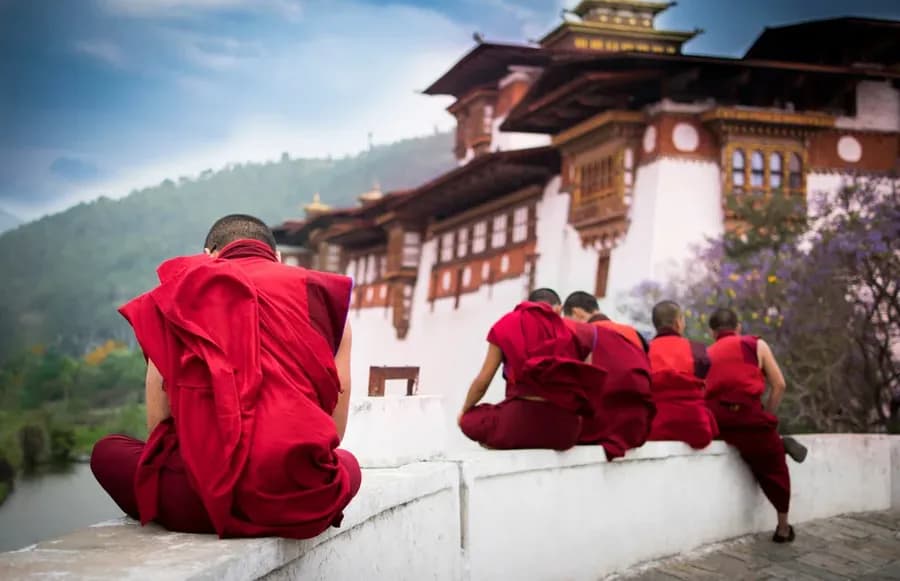
You reach the dzong across a covered wooden cantilever bridge over the Mo Chhu, rebuilt in 2008 in the old style. Walk across slowly. The view back to the dzong's whitewashed walls, with the river running green underneath, is the one most people remember.
Zhabdrung Ngawang Namgyal built the dzong in 1637 and 1638, and it has had a hard life since: several fires, an earthquake and, in 1994, a flood when a glacial lake burst far upstream. Each time it was repaired, and today it's in better shape than ever. The inner courtyards are enormous, and the main assembly hall, with its gold statues and painted pillars, is one of the grandest rooms in the country. The chapel holding the Zhabdrung's remains is closed to everyone except the King and the Je Khenpo.
Come in late afternoon if you can. The tour groups have gone, the light turns gold, and in spring the jacaranda trees along the walls are purple. Dress for a working dzong, with long sleeves and long trousers or a skirt; our Bhutan dress code guide explains the rest.
Short walks around the valley
Punakha is warm and low, so it's a good place to walk after a few days at altitude. None of these are hard:
- Chimi Lhakhang: 15 to 20 minutes on a path through rice fields from the village of Sopsokha, where the houses are painted with large, cheerful phalluses. The temple belongs to Drukpa Kunley, the Divine Madman, and couples still come to pray for a child.
- Khamsum Yulley Namgyal Chorten: about an hour up through fields and pine to a temple-chorten built by the Queen Mother, Ashi Tshering Yangdon Wangchuck. The top floor has a small terrace with a view straight down the valley.
- Sangchhen Dorji Lhuendrup nunnery: on a ridge across the river, with a big bronze statue of Avalokiteshvara and a view over the rice terraces. The nuns here train in thangka painting and embroidery.
- The suspension bridge: cross the Pho Chhu on one of the longest suspension bridges in Bhutan and wander the farm tracks on the other side.
Rafting and birdwatching
The Mo Chhu (the mother river) is the gentle one, with easy rapids that suit families and first-timers. The Pho Chhu (the father river) is faster and suits people who've rafted before. Both trips finish near the dzong, and the local outfitters provide the kit and guides. The water is best from March to April and November to December.
Keep an eye on the riverbanks. Punakha is one of the last places in the world where you can see the white-bellied heron, a large grey heron with only a few dozen birds left in the wild. Birders come here for it specifically, and the upper valley towards Jigme Dorji National Park is full of other species too.
Best time to visit Punakha
Punakha is pleasant for more of the year than the higher valleys. Late winter and spring (February to May) are ideal: the Punakha Drubchen and Tshechu festivals are held in February or March, and the jacarandas bloom in April and May.
Autumn (October and November) is warm and golden as the rice is harvested; summer is hot and humid.
Month by month across the country: the best time to visit Bhutan.
Getting to Punakha
The drive from Thimphu takes about three hours over Dochula Pass, where most people stop for tea and the view. From Punakha the road continues to the Phobjikha valley (about three hours) and on to central Bhutan.
One or two nights in Punakha fits naturally into a first week in Bhutan, between Thimphu and Phobjikha or Paro.
Punakha on the map
Tours that visit Punakha
 Cultural
Authentic Bhutan
Paro · Thimphu · Punakha · Phobjikha
$2,400pp
 Luxury
 in the Himalayas
Six Senses · Amankora · COMO Uma · more
On request
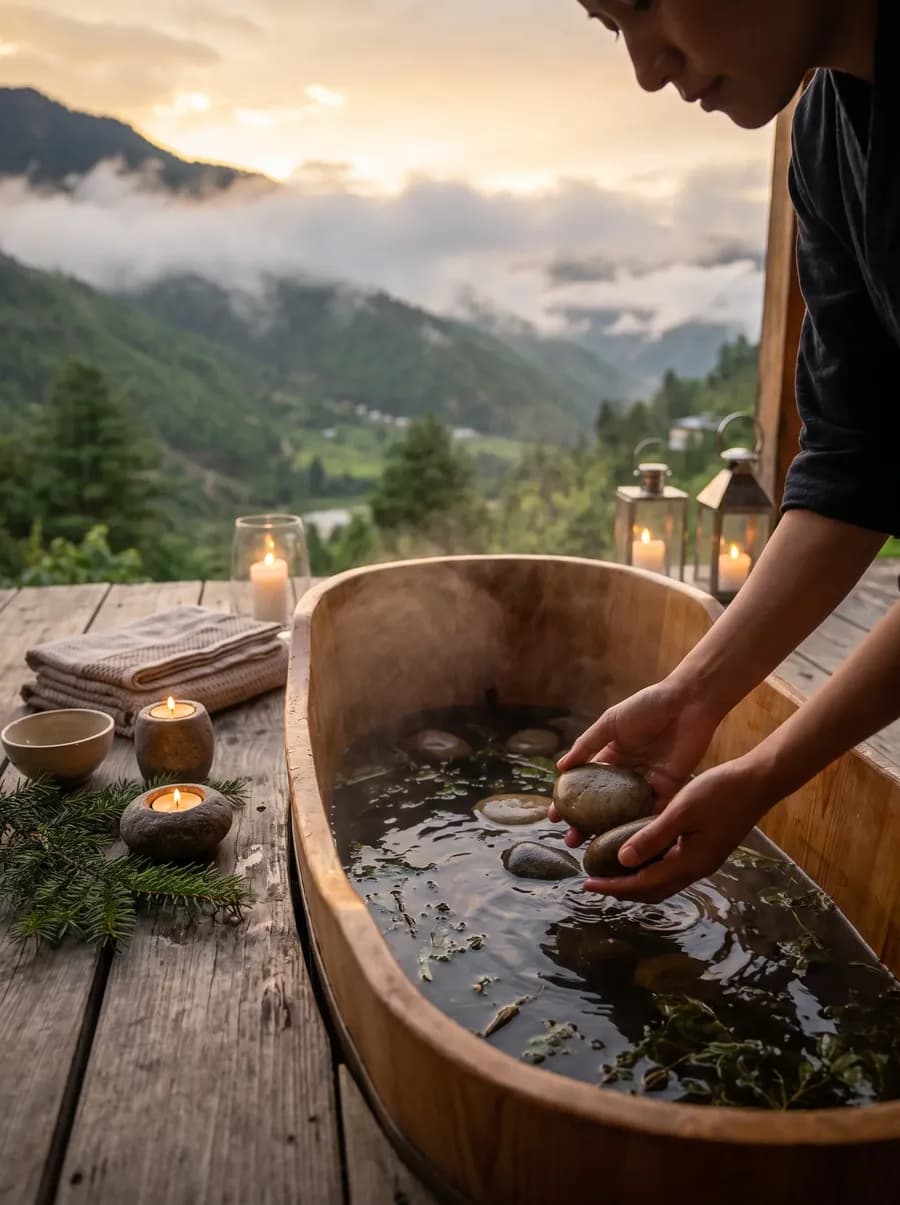 Wellness
Culture & Wellness
Paro · Punakha · Phobjikha
$2,880pp
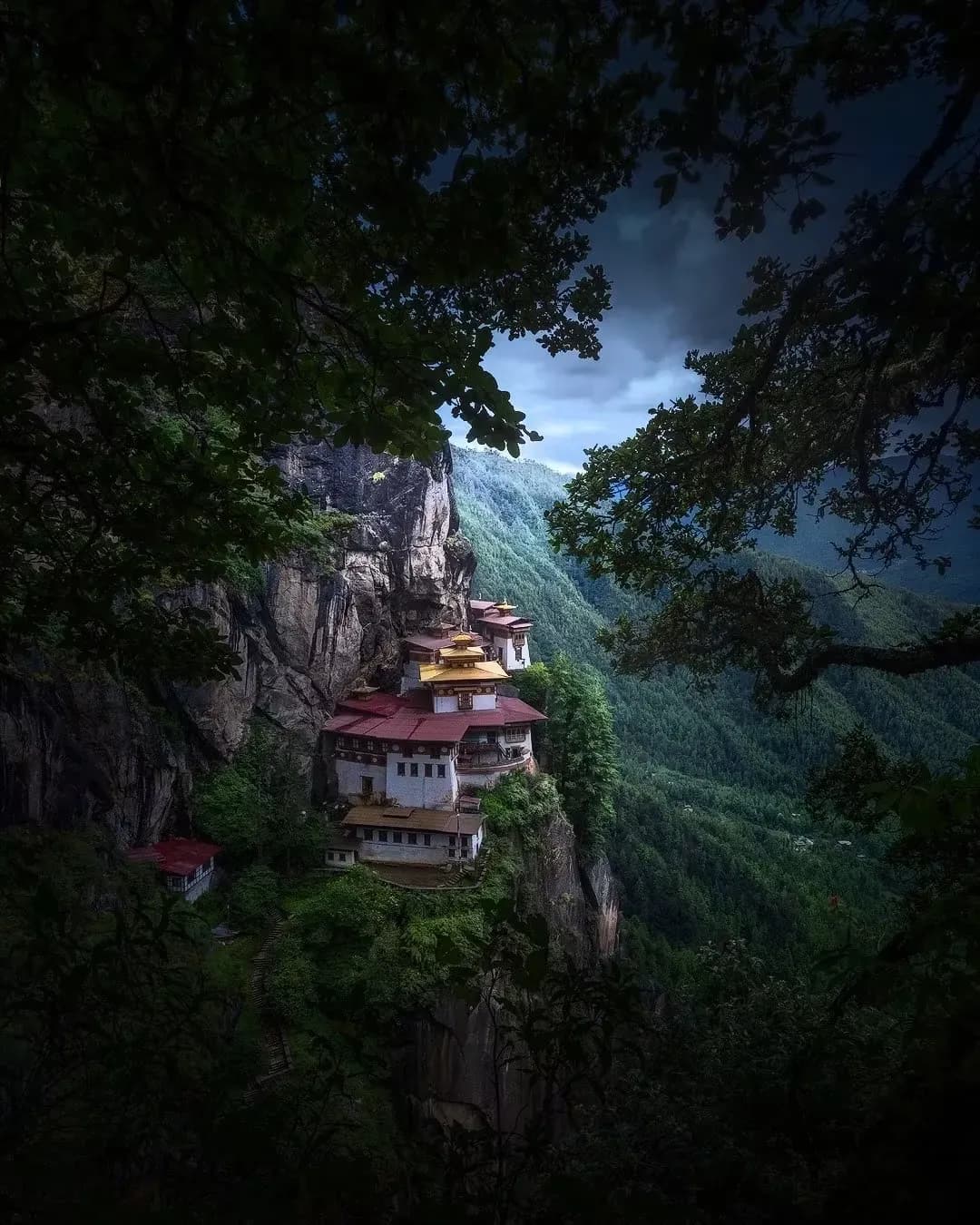 Trekking
The Bhutan Hiking Odyssey
Paro · Haa · Thimphu · Punakha · Gasa · Phobjikha · Paro
$4,500pp
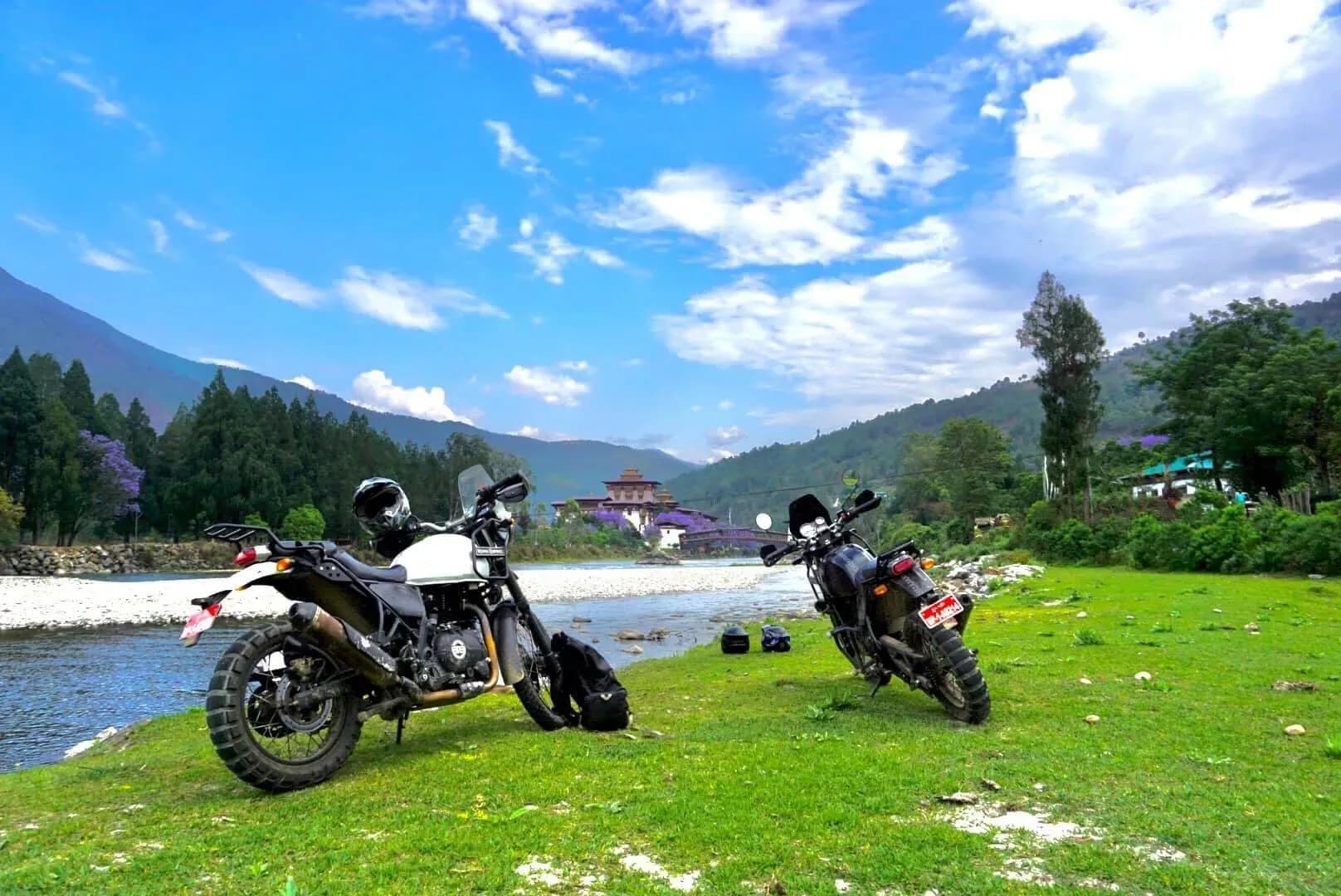 Adventure
The Bhutan Motorcycle Adventure
Paro · Chele La · Haa · Thimphu · Dochula · Punakha · Phobjikha · Paro
$2,760pp
Punakha FAQs
Your questions, answered
Still wondering about something? Ask our Thimphu team directly. We're happy to help.
Ask us on WhatsAppIt was Bhutan's seat of government until 1955, it holds the embalmed body of Zhabdrung Ngawang Namgyal who unified the country, it is the winter home of the chief abbot and monk body, and Bhutan's kings are crowned there.
The Pho Chhu ('father river') and the Mo Chhu ('mother river'). The dzong stands on the spit of land where they join.
Punakha Dzong, the fertility temple of Chimi Lhakhang, one of Bhutan's longest suspension bridges, gentle river rafting, rice fields and a mild climate, plus its spring jacaranda blossom.
Its full name is Pungthang Dewachen Phodrang, usually translated as the 'Palace of Great Happiness' (or 'Great Bliss').
About 75 km, or roughly three hours by road over Dochula Pass, including a stop at the pass.
Yes. The Mo Chhu has gentle rapids suitable for beginners and families, while the Pho Chhu is faster. A trip takes a few hours with a local outfitter, and the best months are March to April and November to December.
Yes. Punakha Dzong is widely considered the most beautiful in Bhutan, and the valley is warmer and greener than Paro or Thimphu, with easy walks, rafting and village life. Almost every first trip to Bhutan spends at least a night here.
Begin your journey
Let's design your Bhutan
Tell us a little about the trip you're dreaming of. A real travel specialist in Thimphu (not a call centre) will reply within a day with ideas and an honest, all-inclusive price.
Send an enquiry
No obligation. It's just the start of a conversation.