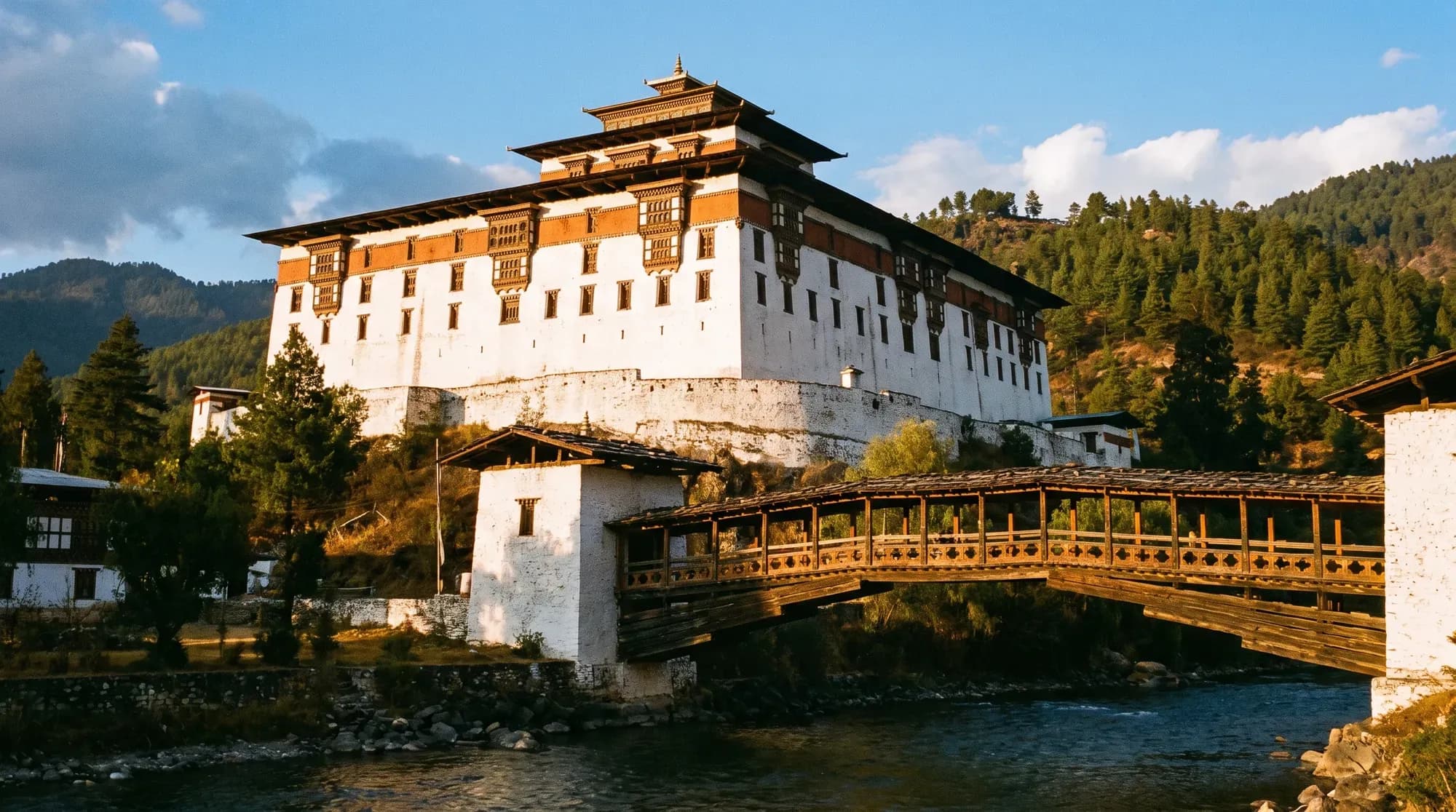
Paro, the valley you land in
Paro is the green, rice-terraced valley in western Bhutan where almost every trip begins and ends. It is home to the country's only international airport. Give it at least two days: one for Paro Dzong, the National Museum and Kyichu Lhakhang, and one for the hike to the Tiger's Nest.
- Altitude
- About 2,200 m
- From Thimphu
- About 1 hour by road
- Best time
- Mar–May · Sep–Nov
- Time needed
- 2–3 days
About Paro
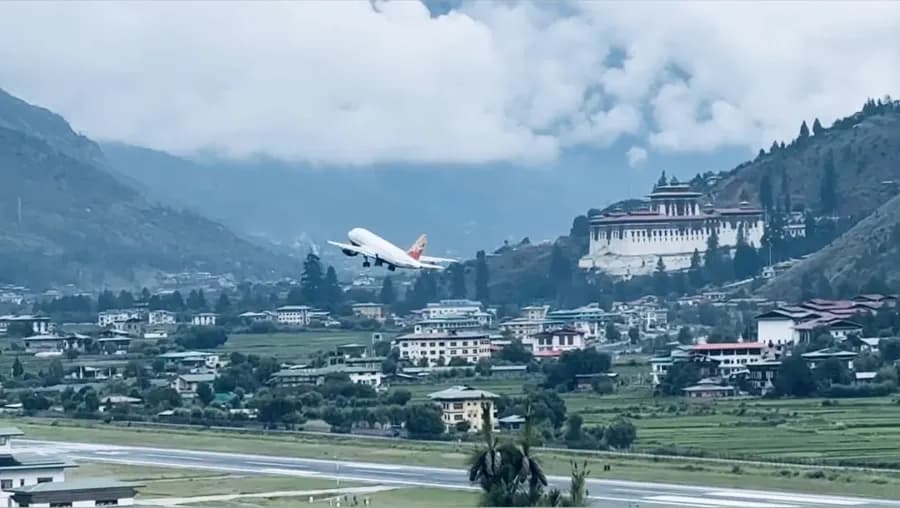
Paro is many travellers' first sight of Bhutan: the plane banks between forested ridges and lands on a runway beside the river, a few minutes from town. The valley is broad and fertile, dotted with whitewashed farmhouses, and it holds some of the country's oldest and most important sites.
The town itself is small, just one main street of painted wooden shopfronts, cafés and craft shops, which makes Paro a relaxed base at the start of a trip, when you are adjusting to the altitude, and a good place to slow down at the end.
Things to do in Paro
- 1
Hike to the Tiger's Nest
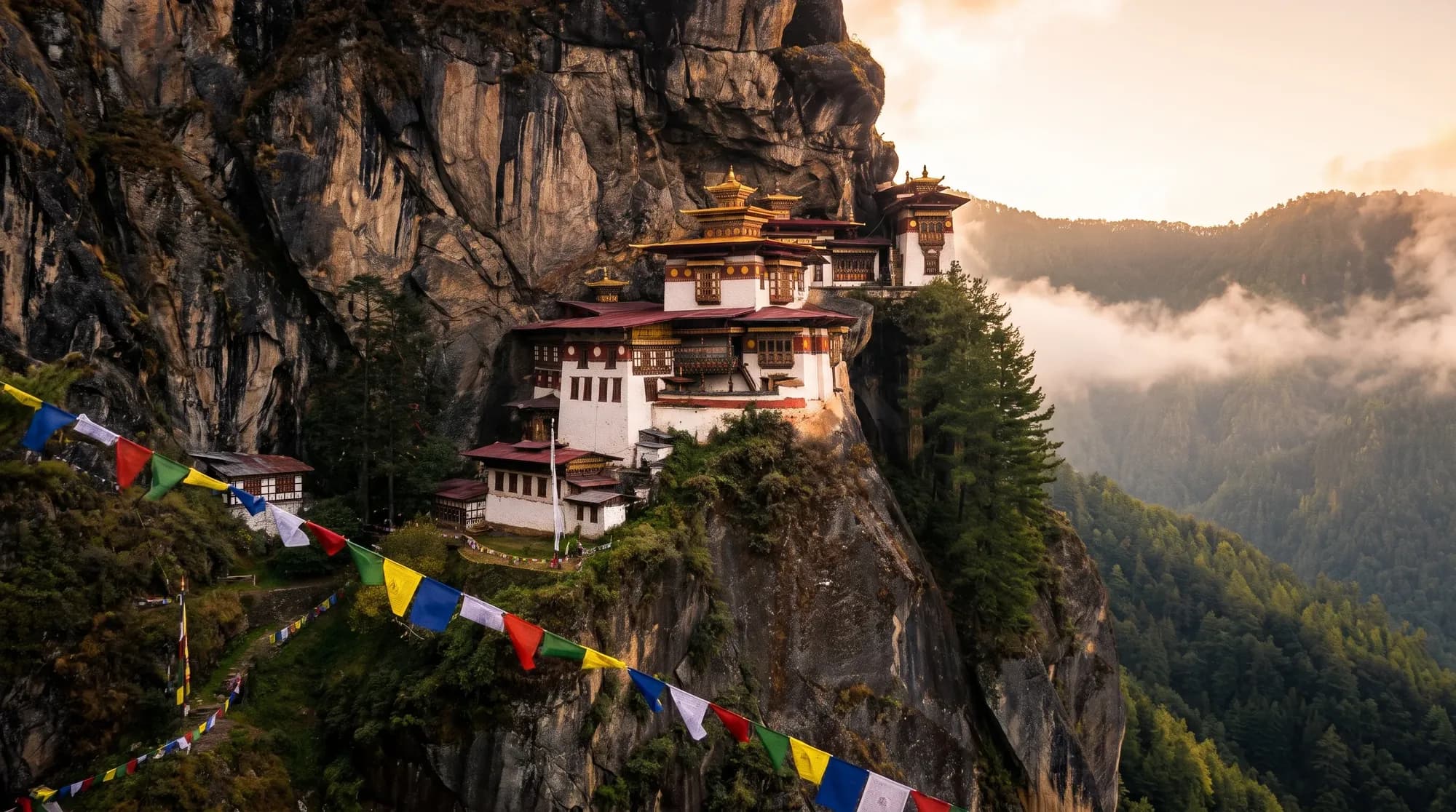
Paro Taktsang clings to a cliff 900 metres above the valley floor. The hike takes most of a day and is the highlight of many trips. See our full Tiger's Nest guide.
- 2
Rinpung Dzong (Paro Dzong)
Built in 1646, the 'fortress on a heap of jewels' houses the district administration and the monk body. Cross the covered wooden bridge below it on foot, and come back in spring for the Paro Tshechu.
- 3
National Museum (Ta Dzong)
A round watchtower above the dzong, now Bhutan's National Museum, with masks, thangka paintings, weapons and a gallery on the country's natural history.
- 4
Kyichu Lhakhang
One of Bhutan's two oldest temples, traditionally dated to 659 AD. Elderly Bhutanese circle it with prayer wheels every morning. It's a quiet, lived-in place of worship.
- 5
Chele La and the Haa valley
The road west climbs to Chele La, at 3,988 m one of the highest roads in Bhutan, with prayer flags and, on clear days, views of Jomolhari. Beyond it lies the quiet Haa valley, only opened to visitors in 2002.
- 6
A farmhouse dinner and hot stone bath
Paro's farmhouses host home-cooked dinners and the traditional dotsho: a wooden tub heated with river stones and scented with herbs.
A slow day in Paro town
Paro town is one main street and a few side lanes, and you can walk the length of it in ten minutes. The shopfronts are wooden, painted with flowers and clouds, and most sell the same mix of groceries, textiles and prayer flags. Look up and you'll see people's washing hanging off carved balconies above the shops.
If it's a weekend, ask your guide where the archery is. Bhutan's national sport is played with bamboo or carbon bows at a target about 145 metres away, and the teams sing, dance and tease the other side every time an arrow lands. Nobody minds visitors watching, as long as you stand well back from the line of fire.
For coffee or a beer afterwards, see our list of cafés and restaurants in Paro. Namgay Artisanal Brewery, on a ridge a few minutes above town, has been brewing since 2016 and runs short tours of the brewhouse.
Beyond the headline sights
Most people see Paro Dzong, the museum and the Tiger's Nest and move on. If you have an extra half day, these are the places our guides like to add:
- Tachog Lhakhang, on the road between Paro and Thimphu. You reach the temple across an iron chain bridge first built by the saint and engineer Thangtong Gyalpo in the 15th century. It was restored in 2005, and some of the original chains are still in it. It sways a bit.
- Dzongdrakha, a cluster of small temples on a cliff above Bondey village. Locals call it the little Tiger's Nest, and it takes about half an hour to walk up.
- Kila Goemba, a small nunnery built into the rock below Chele La, where a community of nuns lives and studies. The drive up to the pass takes you right past it.
- Bumdra, an overnight hike from Sang Choekhor monastery up to a meadow of prayer flags at almost 4,000 m, looking down on the Tiger's Nest. You camp by a small temple and walk down past Taktsang the next morning.
- A night in a Paro farmhouse. You eat what the family eats (usually red rice, ema datshi and a meat dish), and in the evening they heat river stones in the fire and drop them into a wooden tub for a dotsho, the traditional hot stone bath.
How we fit Paro into a trip
Paro sits at about 2,200 m, so the first day is always gentle: the dzong, the museum, a walk across the covered bridge and an early night. We usually leave the Tiger's Nest for your last full day. By then you've been at altitude for a week, and the climb feels far easier than it would on day two.
That also means most trips pass through Paro twice, once on arrival and once before you fly out. If you only have five days, two nights here at the end works better than one at the start.
Best time to visit Paro
Spring (March to May) brings clear mornings, blossom and the Paro Tshechu, one of the biggest festivals in the country. Autumn (late September to November) has the most reliable views of the mountains.
Winter is dry, sunny and quiet, with cold nights; the summer monsoon (June to August) turns the rice terraces bright green but brings afternoon rain.
Month by month across the country: the best time to visit Bhutan.
Getting to Paro
Druk Air and Bhutan Airlines fly into Paro from Delhi, Kolkata, Kathmandu, Bangkok, Singapore and a few other cities. See our guide to flights to Bhutan. Thimphu is about an hour's drive away.
Most itineraries spend the first night in Thimphu or Paro and save the Tiger's Nest for the end of the trip, when you are acclimatised.
Paro on the map
Tours that visit Paro
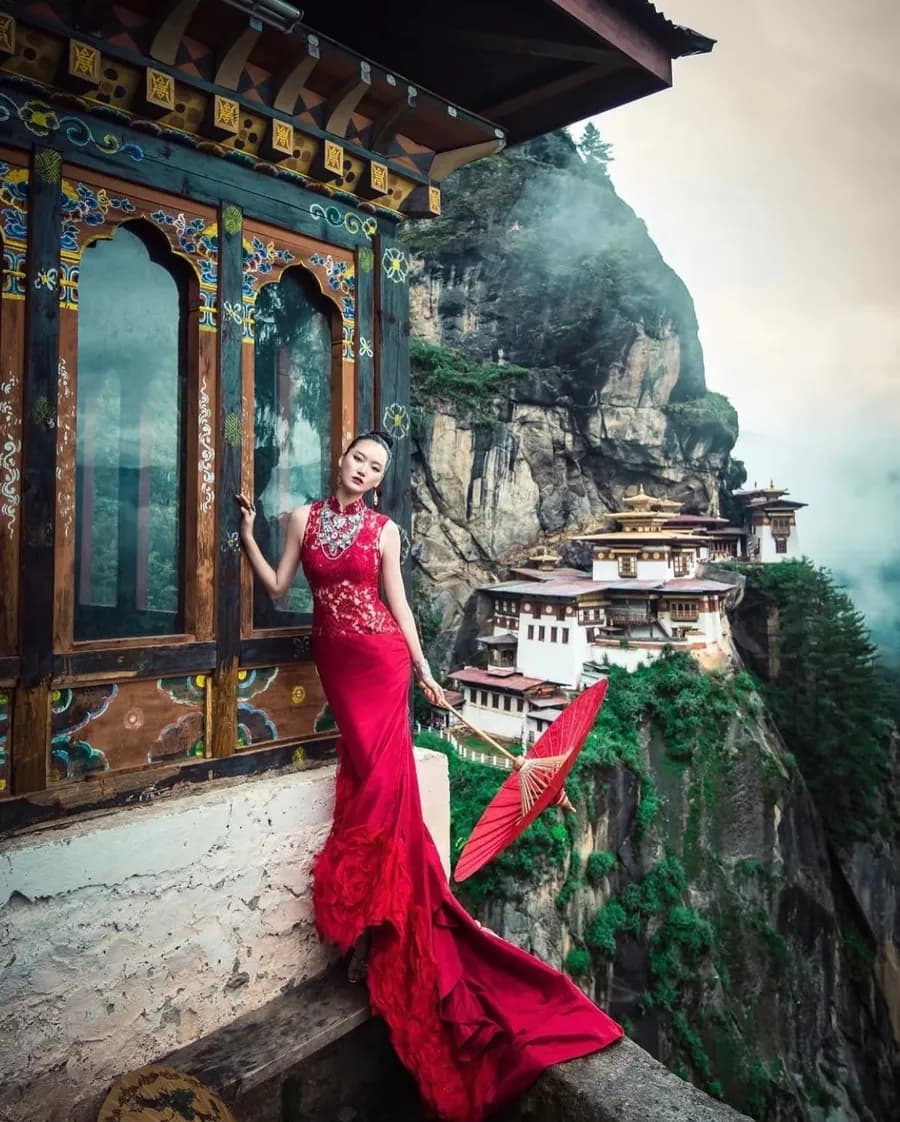 Cultural
Authentic Bhutan
Paro · Thimphu · Punakha · Phobjikha
$2,400pp
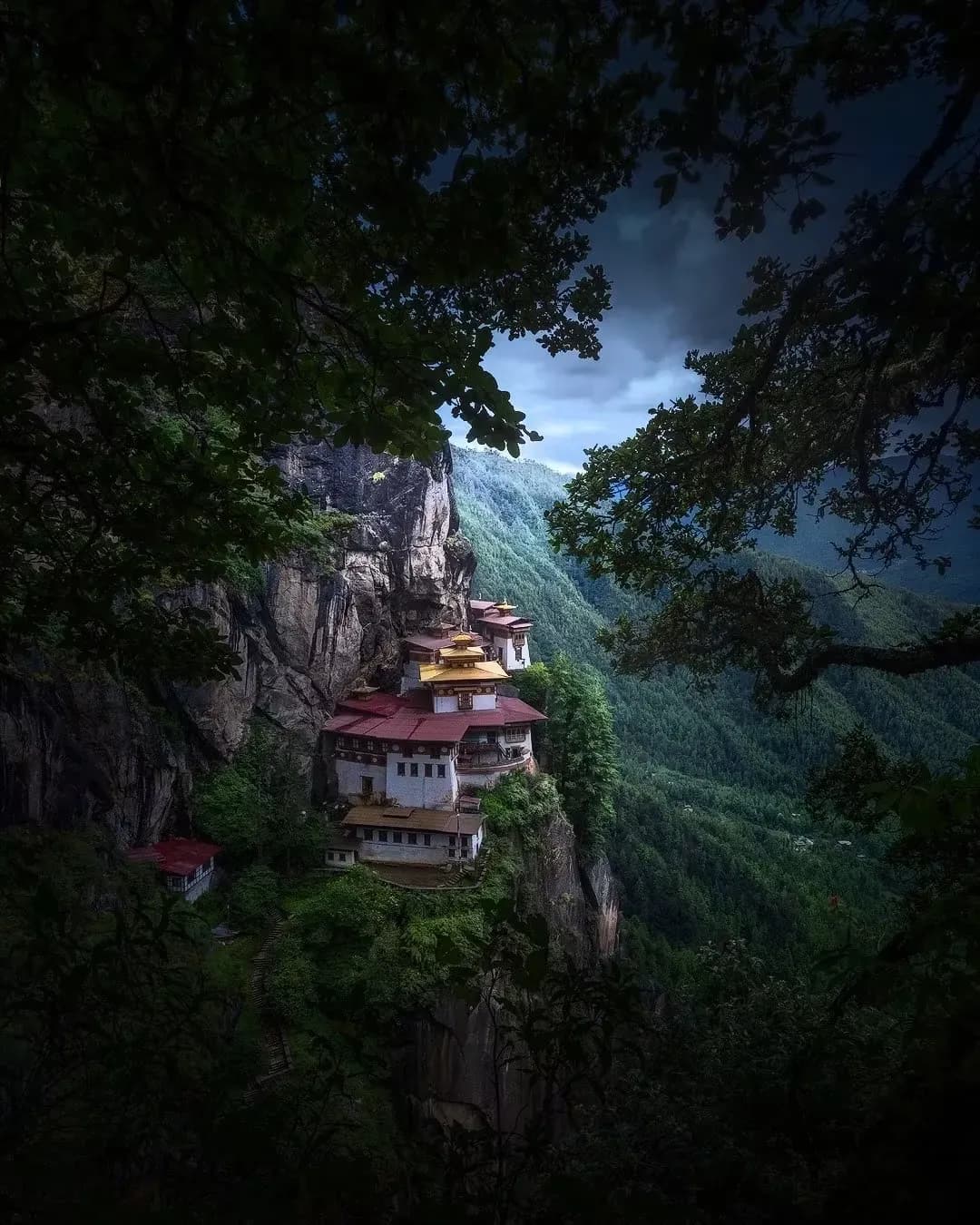 Trekking
The Bhutan Hiking Odyssey
Paro · Haa · Thimphu · Punakha · Gasa · Phobjikha · Paro
$4,500pp
 Adventure
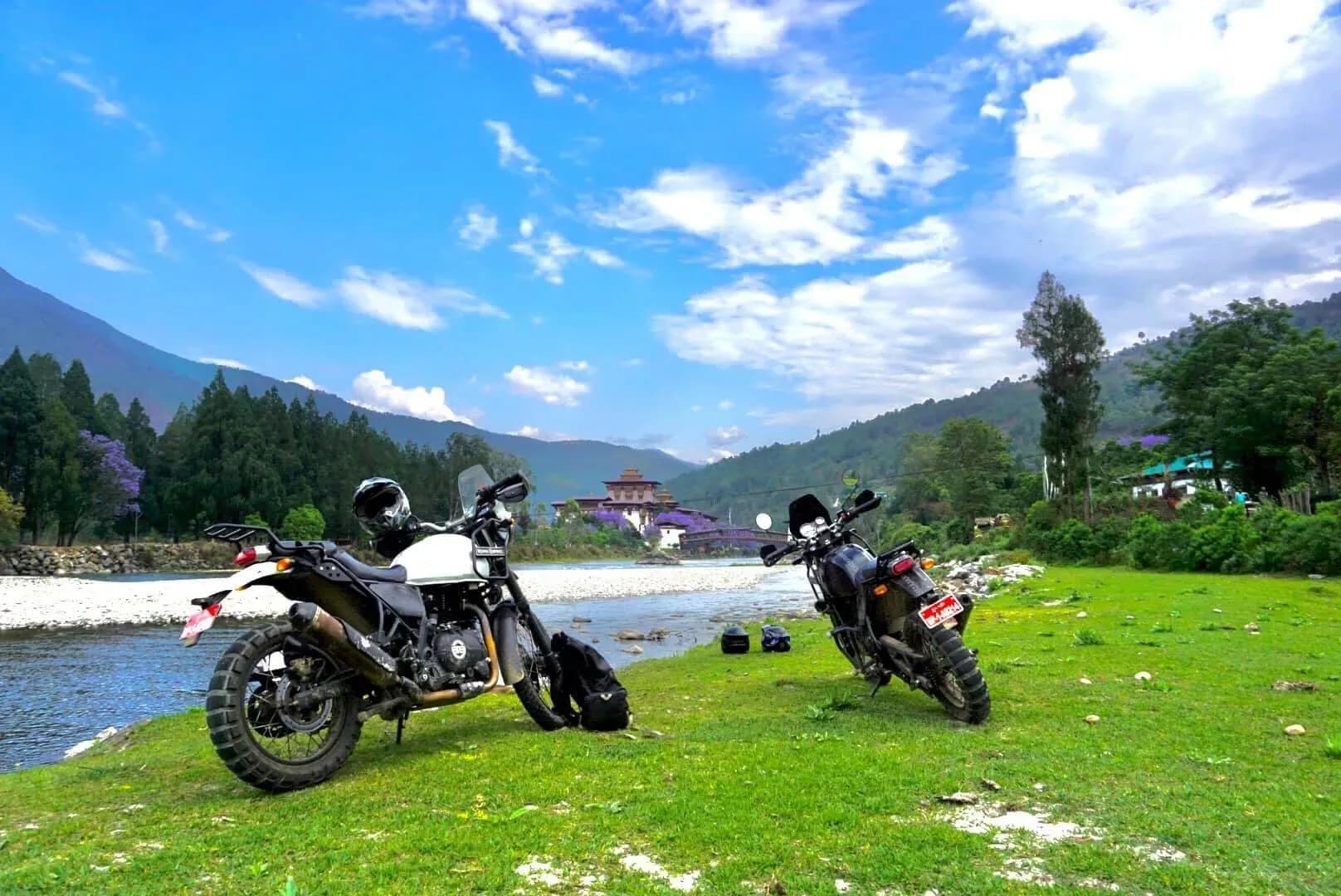
The Bhutan Motorcycle Adventure
Paro · Chele La · Haa · Thimphu · Dochula · Punakha · Phobjikha · Paro
$2,760pp
 Trekking
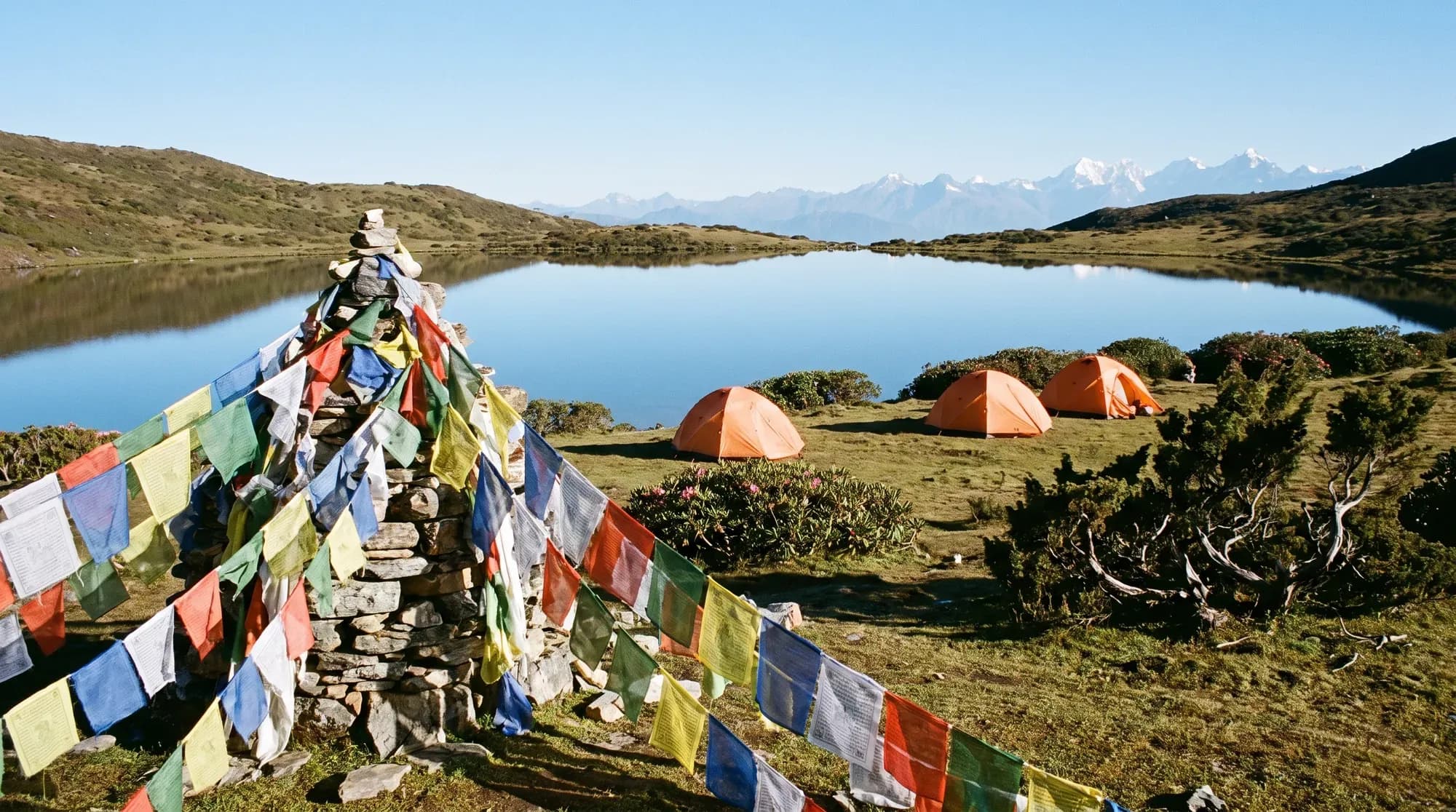
Druk Path Trek & Culture
Paro · Jele Dzong · Jimilang Tsho · Simkotra Tsho · Thimphu · Punakha · Paro
$4,400pp
 Trekking
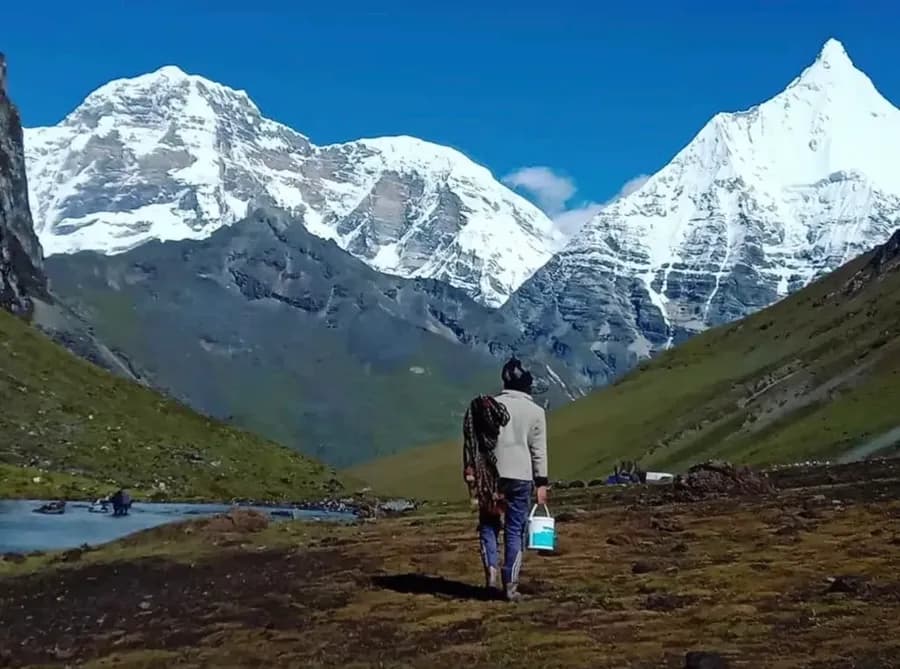
Mighty Jomolhari Trek
Paro · Jangothang · Lingzhi · Thimphu
$4,700pp
Paro FAQs
Your questions, answered
Still wondering about something? Ask our Thimphu team directly. We're happy to help.
Ask us on WhatsAppParo is best known for the Tiger's Nest monastery, Bhutan's only international airport, Rinpung Dzong and the spring Paro Tshechu festival. It is also home to Kyichu Lhakhang, one of the oldest temples in the country.
Two to three days. Spend one on Paro Dzong, the National Museum and Kyichu Lhakhang, one on the Tiger's Nest hike, and a third if you want to drive over Chele La to the Haa valley.
Most trips use both. Paro is quieter and closer to the Tiger's Nest trail; Thimphu, an hour away, has more restaurants, shops and museums. We usually suggest a night or two in each.
The runway sits in a narrow valley surrounded by peaks, so planes fly a visual approach, turning between the ridges before landing. Only specially trained pilots are certified to fly it, and it is one of the most scenic landings in the world.
Yes. Paro Dzong, the National Museum and Kyichu Lhakhang are all worth a morning, and there are quieter places nearby: the chain bridge at Tachog Lhakhang, the cliff temples of Dzongdrakha, the Chele La pass and a night in a farmhouse with a hot stone bath.
Yes. Several families in the Paro valley host guests in traditional farmhouses, with home-cooked dinners and a hot stone bath. It's simple and comfortable, and many travellers say it's the night they remember most. We can add one to any itinerary.
Begin your journey
Let's design your Bhutan
Tell us a little about the trip you're dreaming of. A real travel specialist in Thimphu (not a call centre) will reply within a day with ideas and an honest, all-inclusive price.
Send an enquiry
No obligation. It's just the start of a conversation.